

Ammonia Bunkering
What is Ammonia Bunkering?
Ammonia bunkering is the process of refuelling ships with ammonia instead of the traditional source of fossil marine fuels such as diesel or LNG. Alternatively to fossil fuels, ammonia is a low-emission fuel that produces no CO2 at the point of use. Making it a strong competitor in a more green conscience future as many countries move towards net-zero.

Why the Pilbara?
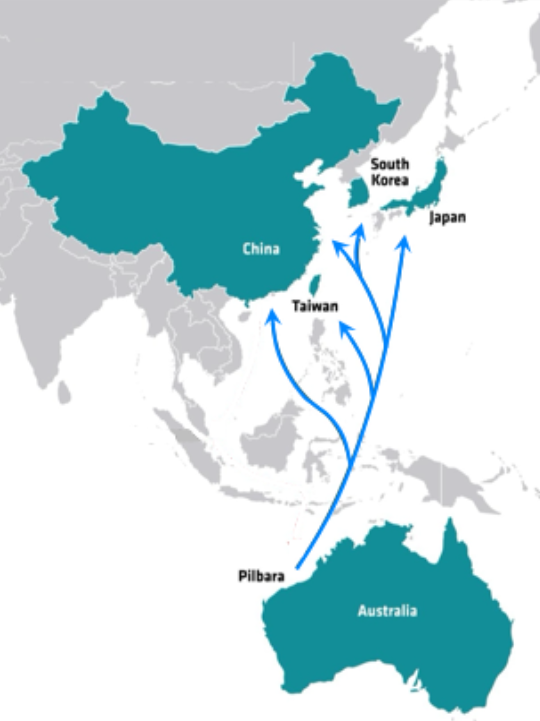
The future of the Pilbara could see it become a global hub for ammonia bunkering. It already supports some of the world’s busiest trade routes, including more than 300 bulk carriers travelling between Western Australia and major customers in Japan, Korea and China. Those vessels currently emit over two million tonnes of CO2 every year, and converting them to low-emission ammonia could cut these emissions by up to 95%. This region is a great prospect with deep-water ports, gas pipelines and existing ammonia handling capability. This provides the Pilbara with a headstart on infrastructure that other regions lack.
Future Demand
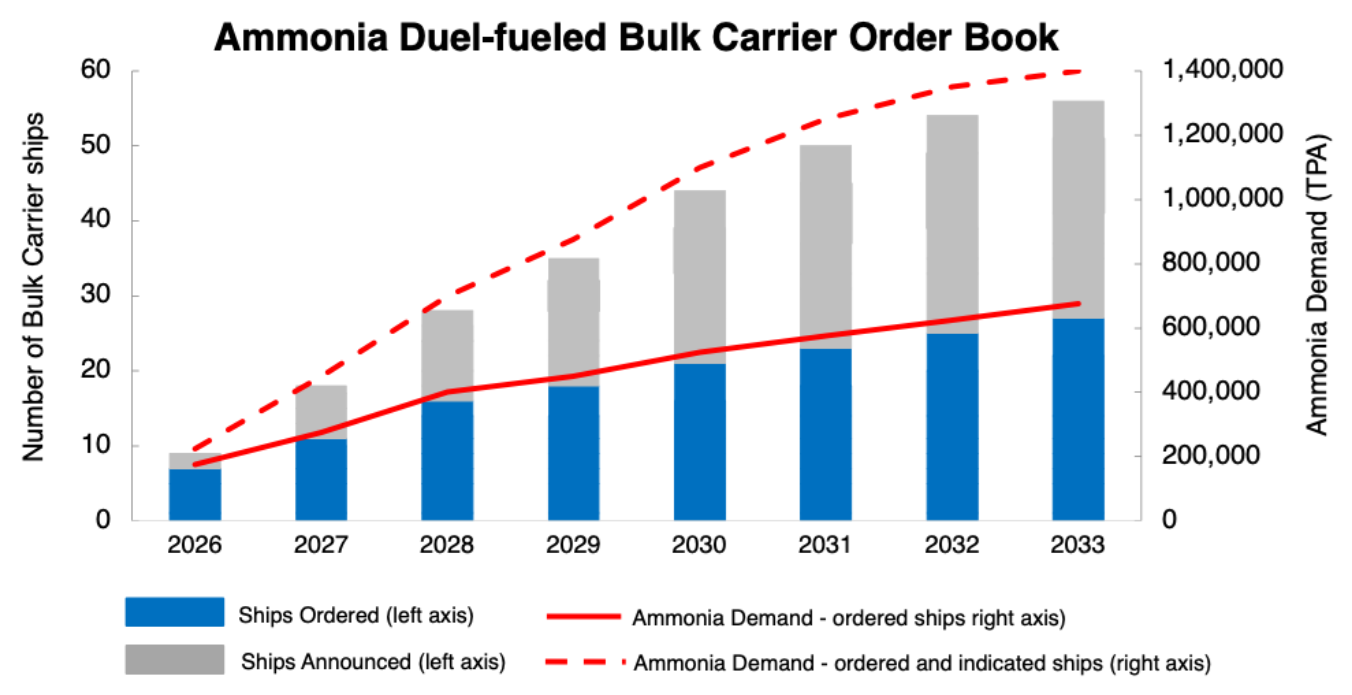
Shipowners and shipbuilders are already preparing for an ammonia-fuelled future. More than 50 bulk carriers capable of running on ammonia have been announced, ordered or are currently under construction. As these vessels enter service, they will require reliable fuel supply, which translates into a steady demand of over 1.3 million tonnes of ammonia annually by the early 2030s.
Investor Confidence
Australia has a long record of supplying energy to these markets first through coal, then LNG, and now through the emerging clean ammonia sector. The Pilbara’s strategic location and infrastructure make it a natural anchor point in this transition. For investors, ammonia bunkering is not a speculative concept; it is an extension of existing heavy industry capabilities into a market already backed by regulation, technology and customer demand. As fossil fuel exports taper over the coming decades, clean ammonia provides a credible replacement that aligns with global decarbonisation targets while preserving Australia’s role as a trusted energy partner.